If you were in a car accident in Montrose or the surrounding area and felt fine immediately after – only to wake up two or three days later with a stiff neck, headache, or shoulder pain – you’re experiencing one of the most well-documented patterns in whiplash injury. Delayed symptom onset is not unusual. It’s the norm. And understanding why it happens is the first step toward getting the right care before the injury becomes a long-term problem.
Why Whiplash Symptoms Are Often Delayed
The immediate aftermath of a car accident floods the body with adrenaline. That stress response blunts pain perception significantly – it’s the same mechanism that allows people to keep functioning after serious injuries in emergency situations. In the hours following a collision, many people genuinely feel fine or only mildly sore.
As adrenaline clears and inflammation begins to set in – typically within 24 to 72 hours – the soft tissue damage from the impact becomes apparent. Muscles that were overstretched or torn begin to tighten and spasm. Cervical vertebrae that were displaced by the rapid acceleration and deceleration of impact start creating nerve irritation. The discs and ligaments that absorbed the force begin to swell.
By day two or three, patients who “felt fine” are often in significant pain – sometimes worse than they would have been if symptoms had appeared immediately.
Common Delayed Whiplash Symptoms to Watch For
The classic symptom is neck pain and stiffness, but whiplash and auto injuries produce a wider range of symptoms than most people expect. Here’s what to watch for in the days following a collision:
Neck pain and reduced range of motion. Difficulty turning the head fully, stiffness that worsens in the morning, and a persistent ache through the cervical spine are the hallmark symptoms. These reflect both soft tissue damage and vertebral displacement.
Headaches. Post-accident headaches – particularly those that originate at the base of the skull – are extremely common with whiplash. They reflect tension in the suboccipital muscles and upper cervical nerve irritation caused by the impact.
Shoulder and upper back pain. The force of a rear-end collision travels through the entire cervical and upper thoracic spine. Shoulder pain, between-the-shoulder-blades aching, and upper back tightness are frequent companions to neck symptoms.
Jaw pain or clicking. Temporomandibular joint (TMJ) dysfunction can result from the jarring of a collision, producing jaw pain, clicking, or difficulty opening the mouth fully. This is less commonly recognized as a whiplash symptom but is clinically well-established.
Arm tingling or weakness. When cervical nerve roots are irritated by displaced vertebrae or disc involvement, the symptoms travel into the arm, hand, or fingers. Tingling, numbness, or weakness in the upper extremities following an accident should always be evaluated promptly.
Dizziness and difficulty concentrating. Cervical dysfunction from whiplash can affect balance and cognitive clarity. Patients sometimes describe a foggy feeling or difficulty focusing in the days following an accident – symptoms that have a documented neurological basis in cervical trauma.
Why Getting Evaluated Early Matters
Soft tissue injuries heal. The question is how they heal – and whether the underlying structural problems are addressed during that healing window.
Scar tissue begins forming within days of a soft tissue injury. If the cervical spine is misaligned when that scar tissue forms, it develops around a dysfunctional structure – creating adhesions that restrict movement, perpetuate nerve irritation, and become increasingly difficult to resolve over time. Patients who wait weeks or months to seek care after a whiplash injury consistently have harder, longer recoveries than those who come in early.
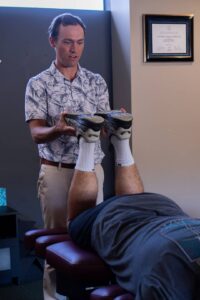
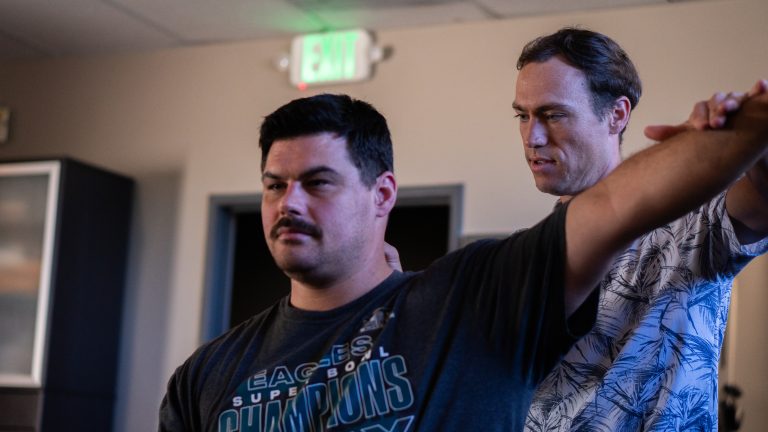
At The Chiropractic Place in Montrose, we evaluate whiplash patients with a thorough physical examination and X-rays when appropriate. We’re looking at cervical alignment, soft tissue integrity, range of motion, and neurological function – not just where it hurts. That comprehensive picture shapes the care plan and, importantly, creates the medical documentation that matters if you’re pursuing an insurance claim or legal action.
How Chiropractic Care Treats Whiplash
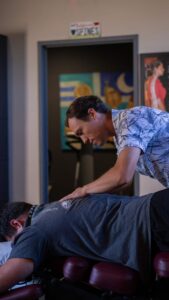
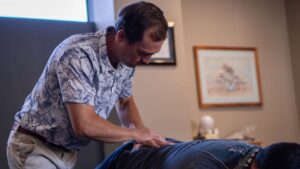
Chiropractic care for whiplash addresses the injury at the structural level. Cervical adjustments restore proper alignment to vertebrae displaced by the impact, reduce nerve interference, and support the soft tissues as they heal. In the acute phase – when significant inflammation is present – we adjust the approach accordingly, using gentler instrument-assisted techniques rather than high-velocity manual adjustments when appropriate.
For patients with significant soft tissue inflammation, nerve irritation, or muscle damage, cold laser therapy plays a meaningful role in recovery. It accelerates cellular repair, reduces inflammation, and supports tissue healing without any discomfort or downtime – which makes it particularly well-suited for the acute phase of whiplash recovery when the tissues are most reactive.
Dr. Brian Miller, DC, CCWP, FICPA, has been treating auto injury patients in Montrose for over 40 years. His experience as a Qualified Medical Evaluator for the California Department of Industrial Relations since 1993 means he understands both the clinical and documentation requirements of injury cases. That background is an asset for patients navigating insurance claims or personal injury proceedings alongside their recovery.
What If the Accident Seemed Minor?
Low-speed collisions are responsible for a significant proportion of whiplash injuries. The relationship between vehicle damage and occupant injury is not linear – a bumper that absorbs an impact well can actually transmit more force to the occupants than one that crumples. Many patients with significant cervical injuries come in reporting that their car “barely had a scratch.”
If you were in a collision – even one that seemed minor – and you’re experiencing any of the symptoms described above, get evaluated. The cost of a consultation is far lower than the cost of a chronic cervical problem that developed because an injury was left untreated.
Don’t Wait to Be Seen
The Chiropractic Place serves Montrose, La Cañada, La Crescenta, and the broader Crescenta Valley. If you or someone you know was in a recent accident and is starting to notice symptoms, call us at (818) 249-2300 or visit our contact page. New patients can take advantage of our new patient special to get a thorough evaluation and first adjustment.